
Little Big Mans and the world behind junior cars
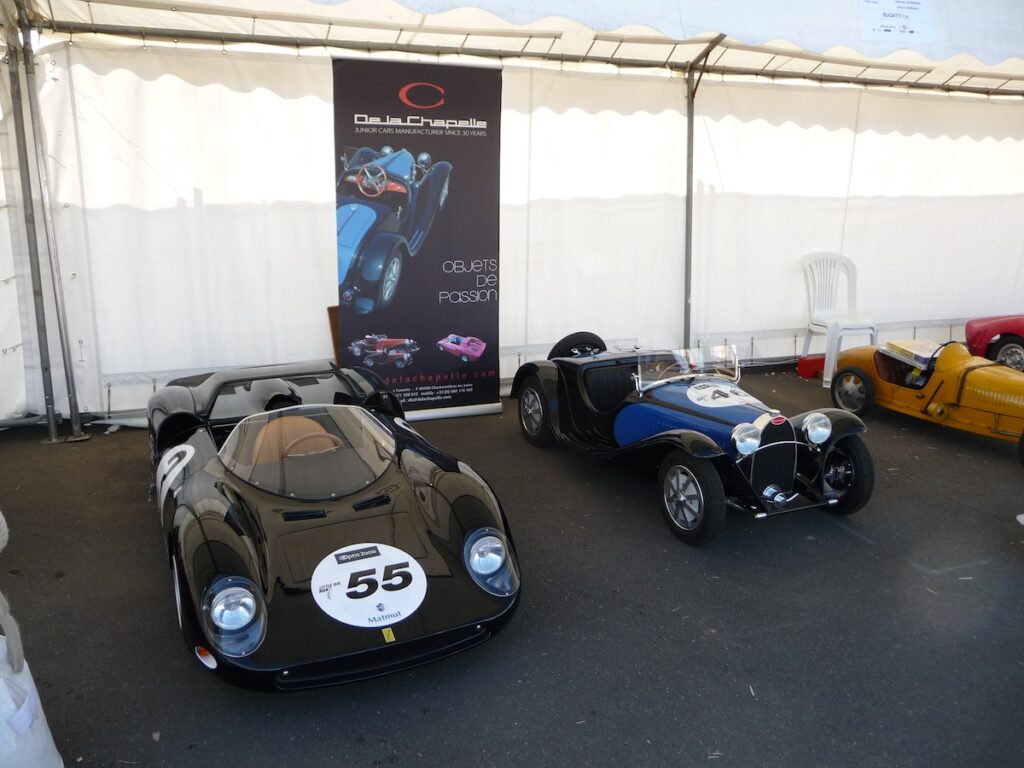
Anyone who takes a closer look at junior cars soon discovers that there is a surprisingly engaging world behind them. A world where design, experience and automotive heritage come together in ways that are not immediately obvious.
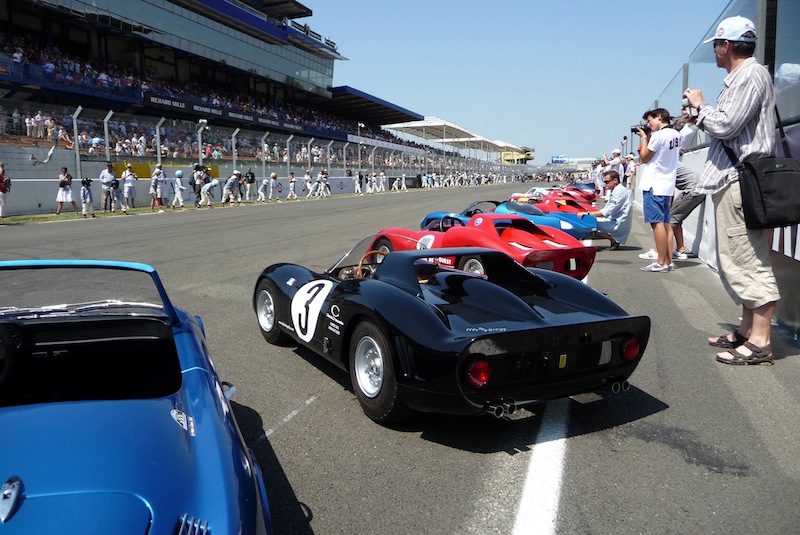
One of the clearest examples of this is Little Big Mans. Not a traditional motorsport spectacle, but a carefully curated event where attention is focused on form, detail and history rather than speed or competition.
Within that context, the Little Big Mans parade forms a distinctive moment during Le Mans Classic. On the legendary Bugatti circuit, young enthusiasts are given the opportunity to drive carefully built scale replicas of iconic racing cars. Participants, typically between seven and twelve years old, experience the world of classic motorsport in a unique way. Not as spectators, but from behind the wheel.
What stands out is the type of audience these events attract. Collectors, classic car enthusiasts and individuals with a strong appreciation for design. Often, they are the same people who are drawn to full-scale iconic cars. In this setting, junior cars are not seen as toys, but as smaller interpretations of recognisable automotive designs.
The existence of events like this reflects a broader shift in the market. Where junior cars were once primarily functional, built simply to be driven, the focus is increasingly shifting towards design and craftsmanship. Towards how a model stands, how it is constructed, and how convincingly it captures the character of the original.
Within this context, high-quality junior cars take on a different role. They appear not only at events, but also in private collections, garages and interiors where automotive design is appreciated. For collectors, they can complement existing collections, and in some cases offer a first introduction to a particular model.
Little Big Mans demonstrates that this development is not accidental. It reflects a growing appreciation for objects that exist somewhere between design and engineering. Objects that do not need to be large in order to be compelling.
AutoJunior follows this development with interest. Not from the perspective of participation, but from a shared appreciation for how junior cars are increasingly recognised as collectible automotive objects.
In that same spirit, the collection consists of models selected not only for their ability to be driven, but for their form, presence and place within this wider world, as reflected in the current collection.
Autojunior BV
Exclusive junior cars as luxury collectible items.
Contact
Tempeltuinlaan 13
3452 SL Vleuten
The Netherlands
E: edward@autojunior.eu
T: +31 6 22 21 94 69